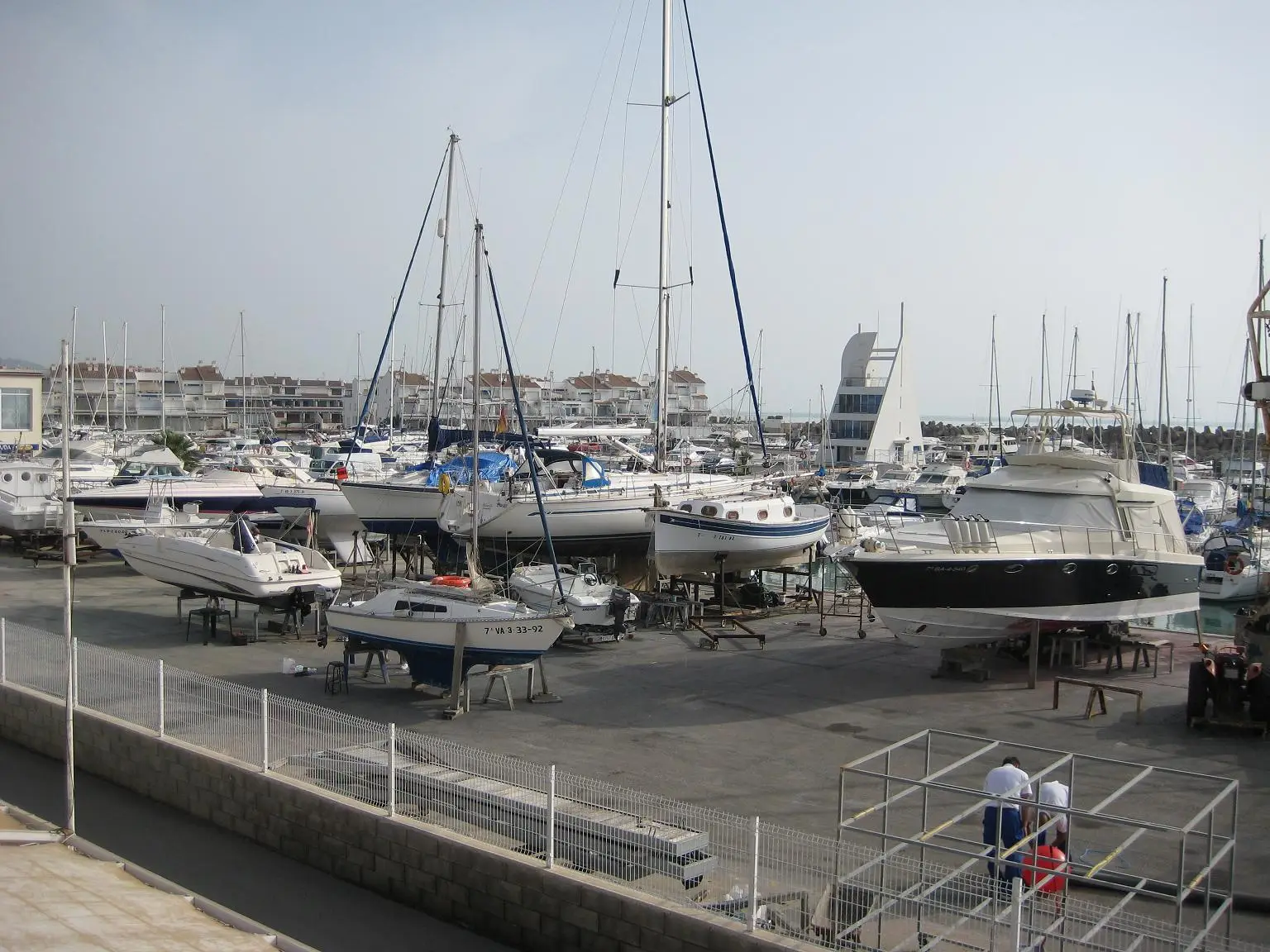
A Columbretes Islands boat trip from Alcossebre is a whole day at sea: the boat leaves Las Fuentes marina, crosses open water to this small volcanic archipelago and comes back in the afternoon. According to the Valencian regional government (Generalitat Valenciana), the Columbretes lie 28 nautical miles off Cape Oropesa, halfway between mainland Spain and the Balearic Islands, and only one island can be visited: l'Illa Grossa.
Which ports the trips leave from
Organised trips to the reserve are run by private companies. Every year the Generalitat publishes the list of those holding the Marca Parcs Naturals label for trips to the Nature Reserve. The 2026 list includes these departure ports:
| Port | On the official 2026 list | Good to know |
|---|---|---|
| Alcossebre (Las Fuentes marina) | Yes | At the end of the Las Fuentes promenade |
| Castellón (Grao) | Yes | About 30 nautical miles to the islands, according to Spain's Ministry of Agriculture, Fisheries and Food |
| Valencia | Yes | The furthest departure |
| Orpesa, Benicarló and Vinaròs | Not listed | If someone offers trips from there, check they are on the official list |
The list changes from year to year: download it from the park website before booking (under "Cómo llegar") and ask the operators about dates and conditions. We don't give names or prices because they change every season.
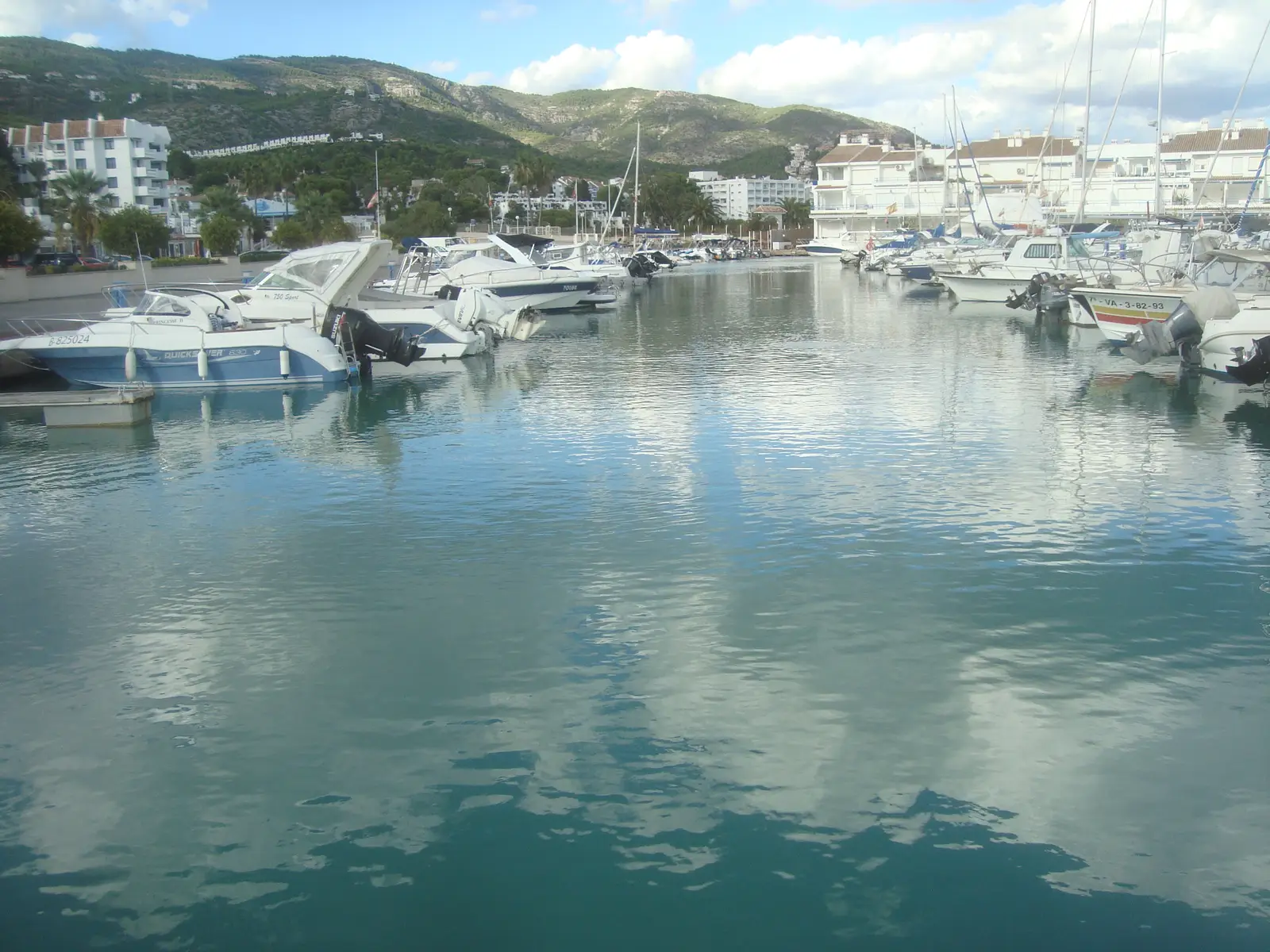
From the Marino apartments you can walk to the marina along the promenade, without taking the car. We describe the route in the Las Fuentes promenade to the marina.
What a day in the Columbretes is like
This is how the Generalitat describes a typical day:
| When | What happens |
|---|---|
| Outward trip | 2 to 3 hours by motorboat (about 50 km, depending on the port) |
| Arrival | Guided visit to l'Illa Grossa with the Nature Reserve staff |
| Midday | Lunch is eaten on board: eating and smoking are not allowed ashore |
| Afternoon | Swimming or snorkelling from the boat and, optionally, a tour around the other islands |
| Return | Boats usually leave the islands at around 4 pm |
Visits are only allowed from two hours after sunrise to two hours before sunset, always with reserve staff. The landing visit is free, but there is a daily and monthly visitor cap, and the staff may change or cancel it depending on the weather or the number of people.
The walk on l'Illa Grossa
L'Illa Grossa is the largest island: of the archipelago's 19 hectares of land, 14 belong to it. The guided route is 1.4 km return, takes 1 h 30 min and climbs 67 metres, with a first stretch of up to 32 % gradient. You come back the same way. These are the stops:
- Mirador de las Escalas: a view over the whole archipelago.
- Escala del Rossí: birdwatching, including Eleonora's falcon (August to October).
- Mirador de las Casernas: buildings from 1856, unusual plants and the Columbretes wall lizard, found nowhere else in the world.
- Cistern: carved into the rock, holding around 45,000 litres.
- Cova del Tabac: remains of a cave once used to hide contraband.
- Lighthouse: views over the bay and the visitor centre. Lighthouse keepers were the islands' only inhabitants from the mid-19th century until 1975.
Nature Reserve rules
On land, the rules of the Reserva Natural de les Illes Columbretes apply:
- No landing without permission from the reserve staff.
- No camping, no landing pets and no taking soil or rocks.
- No smoking or fires, and no eating during the visit.
- Stay on the marked path and leave no litter.
- Do not touch or stand on the seabed.
Marine reserve rules
The sea around the islands is the Columbretes Islands marine reserve, created in 1990 and managed by Spain's Ministry of Agriculture, Fisheries and Food. It covers about 5,500 hectares and includes two no-take zones (El Carallot and the Murall del Cementeri) and three restricted-use zones around l'Illa Grossa, La Ferrera and La Foradada.
- Snorkelling (free diving): no permit needed, but you can't touch bottom anywhere and holding on to the rocks is forbidden.
- Scuba diving: requires a permit for a specific date, granted in order of application within a dive quota. Apply to the Agriculture and Fisheries office of the Government Subdelegation in Castellón.
- Recreational fishing: permit per boat and per season.
- Mooring: there are 16 mooring buoys, 10 of them in Puerto Tofiño. Private boats may stay overnight moored in the bay after confirming by radio.
When to go
| Time of year | What to expect |
|---|---|
| December, January and February | Reserve closed to guided visits |
| Spring | Recommended season for the walk; possible cetaceans from the lighthouse |
| Summer | Recommended, avoiding the hottest days: the path has no shade |
| August to October | Eleonora's falcon at the Escala del Rossí |
| Autumn | Possible cetaceans from the lighthouse's north terrace |
Is it a trip for grandparents and grandchildren?
It depends. It is a long day, with several hours by boat on open sea and a walk in full sun. The Generalitat warns that access to the island is not advisable for people with reduced mobility and recommends taking precautions against seasickness and sitting in well-ventilated parts of the boat. Bring water, sun cream, sunglasses, a hat and comfortable shoes.
If someone in the group would rather stay ashore, the alternative is close by: walk down to the marina at sunset to watch the boats come back, and enjoy the beachfront at Las Fuentes, between the beach and the pool.